

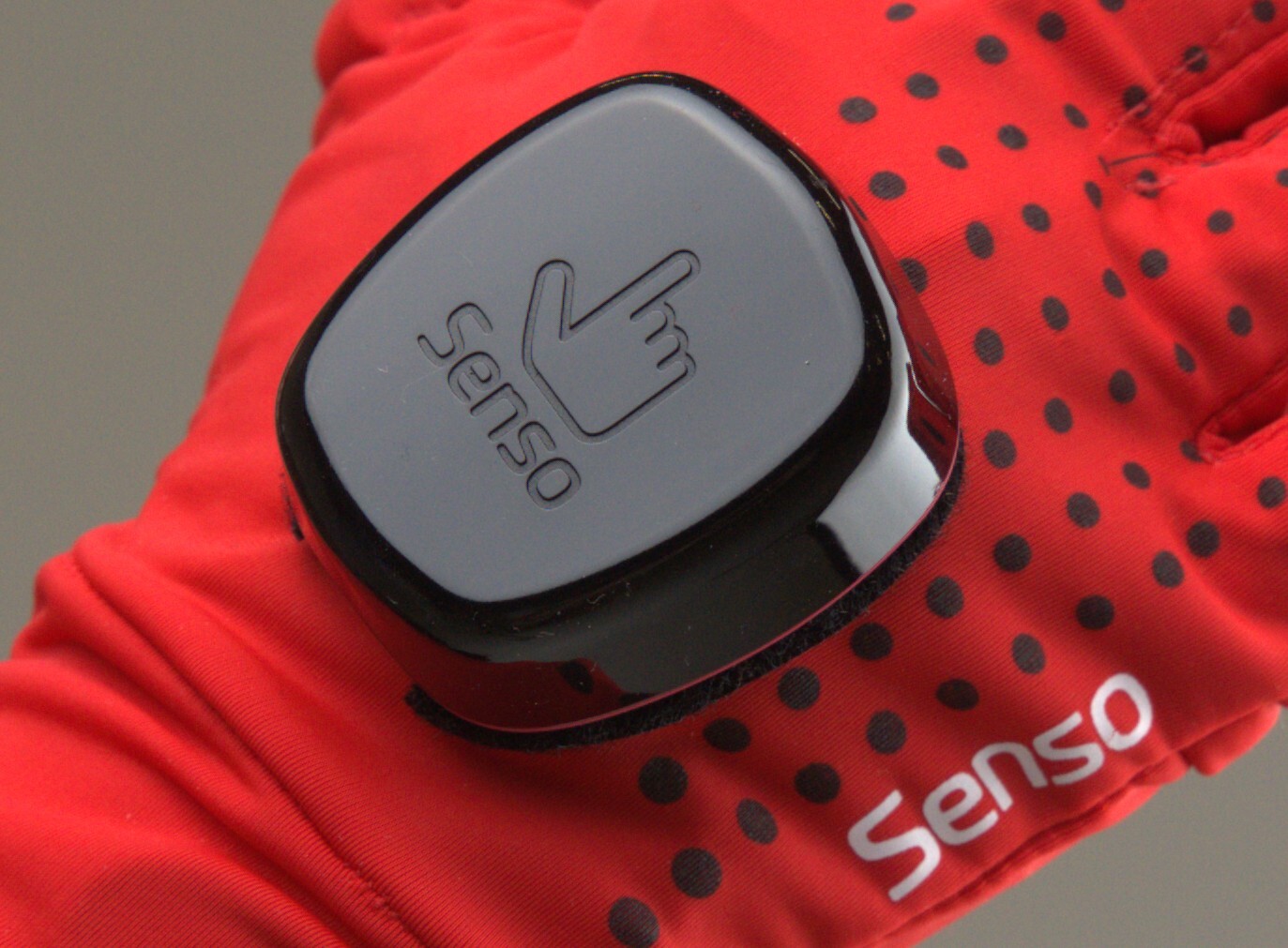
By Alexey Kachan, Founder at Senso Devices
Every few months, the narrative repeats itself:
Meta is building the Metaverse.
Meta has reported significant losses related to its Metaverse investments.
Meta is pivoting away from it.
Then doubling down again.
From the outside, it may look like confusion. From the inside, it’s something else entirely — a mismatch between vision and reality. I’ve been building hardware and working with immersive technologies for years, and I’ve seen this pattern repeat more than once.
Meta is building the Metaverse.
Meta has reported significant losses related to its Metaverse investments.
Meta is pivoting away from it.
Then doubling down again.
From the outside, it may look like confusion. From the inside, it’s something else entirely — a mismatch between vision and reality. I’ve been building hardware and working with immersive technologies for years, and I’ve seen this pattern repeat more than once.
A lesson from the past
More than 15 years ago, our small team built a multiplayer online game.
It ran on extremely limited hardware — early mobile phones, unstable GPRS connections, latency up to 600 ms. The world was simple: 2D environments, minimal graphics, lightweight networking. Technically, it was far from perfect. Commercially, it failed. So we shut it down, or at least, we thought we did. Years later, we discovered something unexpected: people were still there. Players continued to log in, communicate, and spend time in that world — without updates, without support, without developers watching over it.
That moment changed how I think about virtual worlds. People don’t stay for graphics. They stay for connection.
It ran on extremely limited hardware — early mobile phones, unstable GPRS connections, latency up to 600 ms. The world was simple: 2D environments, minimal graphics, lightweight networking. Technically, it was far from perfect. Commercially, it failed. So we shut it down, or at least, we thought we did. Years later, we discovered something unexpected: people were still there. Players continued to log in, communicate, and spend time in that world — without updates, without support, without developers watching over it.
That moment changed how I think about virtual worlds. People don’t stay for graphics. They stay for connection.
What’s holding VR back today
The idea of the Metaverse (something like Ready Player One) is compelling. And unlike small teams like ours back then, companies like Meta have everything needed to build it: users, capital, infrastructure, distribution.
So why hasn’t it worked yet? In its current form, VR is not yet ready for mass adoption. You don’t need to be an expert to understand this. Spend an hour inside a headset, and the limitations become obvious:
And that last point is critical. Technology adoption tends to follow a very predictable path: people choose convenience over capability. Smartphones didn’t win because they were perfect — they won because they were easy to use. VR today is, in many ways, the opposite.
So why hasn’t it worked yet? In its current form, VR is not yet ready for mass adoption. You don’t need to be an expert to understand this. Spend an hour inside a headset, and the limitations become obvious:
- it’s heavy
- it’s uncomfortable
- it isolates you from the real world
- it often demands effort instead of reducing it
And that last point is critical. Technology adoption tends to follow a very predictable path: people choose convenience over capability. Smartphones didn’t win because they were perfect — they won because they were easy to use. VR today is, in many ways, the opposite.
The core problem: friction
Mass adoption doesn’t fail because of missing features. Mass adoption doesn’t fail because of missing features. It fails because of friction.
Putting on a headset is friction.
Adjusting it is friction.
Being cut off from your surroundings is friction.
Even the best devices today, like Meta Quest, still struggle with fundamental ergonomics: poor weight distribution, front-heavy design, limited comfort over long sessions. If a device feels like a burden, it won’t become part of everyday life.
Putting on a headset is friction.
Adjusting it is friction.
Being cut off from your surroundings is friction.
Even the best devices today, like Meta Quest, still struggle with fundamental ergonomics: poor weight distribution, front-heavy design, limited comfort over long sessions. If a device feels like a burden, it won’t become part of everyday life.
AR isn’t fully there yet either
At events like Mobile World Congress 2026, it’s clear that AR glasses are improving. There are more players, more prototypes, more ambition. But in many cases, the experience still doesn’t surpass what was already demonstrated a decade ago with Google Glass. This is a common pattern in hardware: progress is not always linear. Sometimes, we spend years iterating without truly moving forward.
So will the metaverse happen?
Most likely, yes.
But not because of hype. And not because of corporate investment cycles. It will happen when the interface disappears. The turning point will come when wearing a device becomes easier than not wearing it. When that happens, the advantages of immersive systems become undeniable:
At that point, VR and AR could eventually replace smartphones or at least redefine how we interact with digital information.
But not because of hype. And not because of corporate investment cycles. It will happen when the interface disappears. The turning point will come when wearing a device becomes easier than not wearing it. When that happens, the advantages of immersive systems become undeniable:
- unlimited visual space
- contextual 3D information
- new forms of interaction
At that point, VR and AR could eventually replace smartphones or at least redefine how we interact with digital information.
The missing layer: touch (haptics)
There’s one more piece that is often underestimated. Vision alone is not enough. Our perception of reality is deeply connected to physical interaction. Without it, even the most advanced virtual environments feel incomplete.
This is where haptic technology becomes critical. The future of immersive systems will not be defined only by displays or processors, but by how naturally we can interact with digital environments. Not necessarily through bulky gloves or complex exoskeletons, but through smarter, lighter, more intuitive interfaces. We are only at the beginning of understanding what this layer could look like.
This is where haptic technology becomes critical. The future of immersive systems will not be defined only by displays or processors, but by how naturally we can interact with digital environments. Not necessarily through bulky gloves or complex exoskeletons, but through smarter, lighter, more intuitive interfaces. We are only at the beginning of understanding what this layer could look like.
Building what actually matters
Technology trends come and go. Investment cycles rise and fall. But one principle doesn’t change: a great product starts with a real problem. It should be something its creators genuinely care about. Something they would use themselves. Something that feels less like a business plan and more like an obsession. That’s where meaningful innovation comes from. And that’s what will shape the next generation of VR, AR, and immersive technologies.
About the author
Alexey Kachan is the founder of Senso Devices. For over a decade, he has been building hardware and exploring how humans interact with digital worlds, from early mobile multiplayer systems to modern VR and haptic technology.


